In a production landscape increasingly shaped by speed, scale, and certified sustainability, Austrian RTW brand Consches offers a quieter, more grounded alternative. Rooted in proximity to people, materials, and processes, the brand treats making not as a hidden infrastructure, but as the heart of their business. This piece follows founder Cornelia into the spaces where the garments are formed, to explore how responsibility, craft, and care can take shape through everyday work.
Consches did not emerge from trend forecasting or market gaps, but from a simple question:
Why is it still so difficult to find fashion that is fair, environmentally responsible, and genuinely well made?
The search for an answer became the foundation of the brand.
Founded by Cornelia, Consches is built to empower the women who wear it and the people who produce it. The belief that responsibility in fashion cannot be abstracted from the act of making is at the core of this mission. The brand works with a small network of carefully selected factories, chosen not only for technical skill, but for shared values: openness, pride in craftsmanship, mutual respect, and a willingness to grow together. From the outset, these relationships were sought deliberately, through research followed by personal visits. What mattered was not just capacity, but compatibility in ways of working.
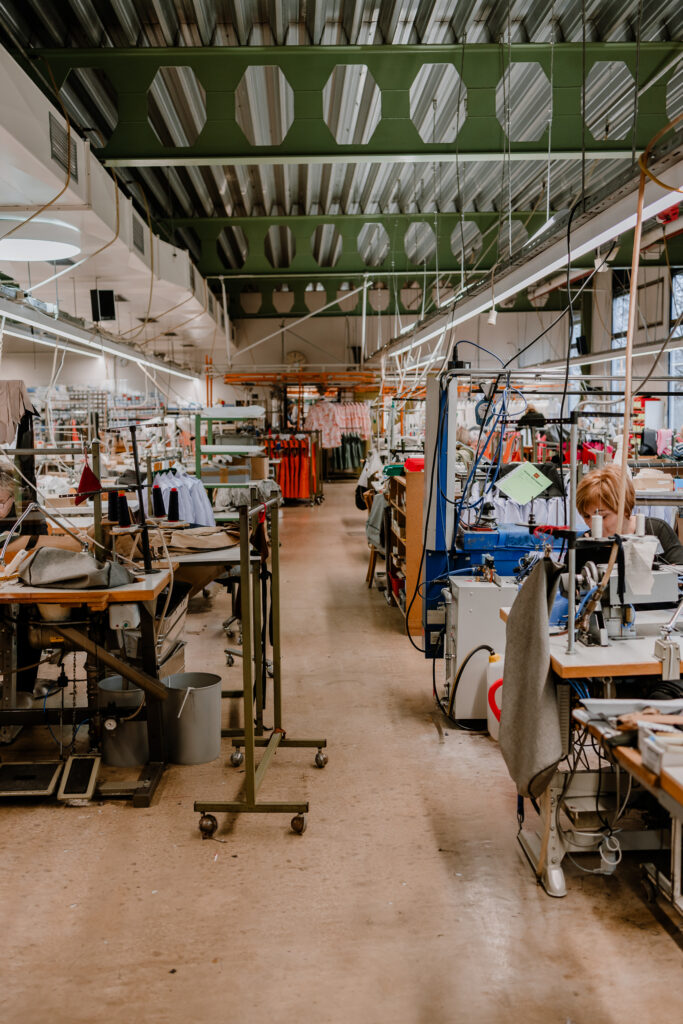
One of Consches’ key production partners is JMB Feldbach, located in Steiermark, Austria. Founded in 1967, the factory employs 42 people and has over five decades of experience in garment manufacturing. JMB defines itself as highly innovative while remaining deeply rooted in tradition, an intangible heritage built through skills passed from one generation of employees to the next. Sustainability here is understood quite holistically: from environmental responsibility to working conditions, with a strong emphasis on family and women friendly structures. This commitment has been recognized through multiple Trigos awards, across workplace, market, society, and ecology.
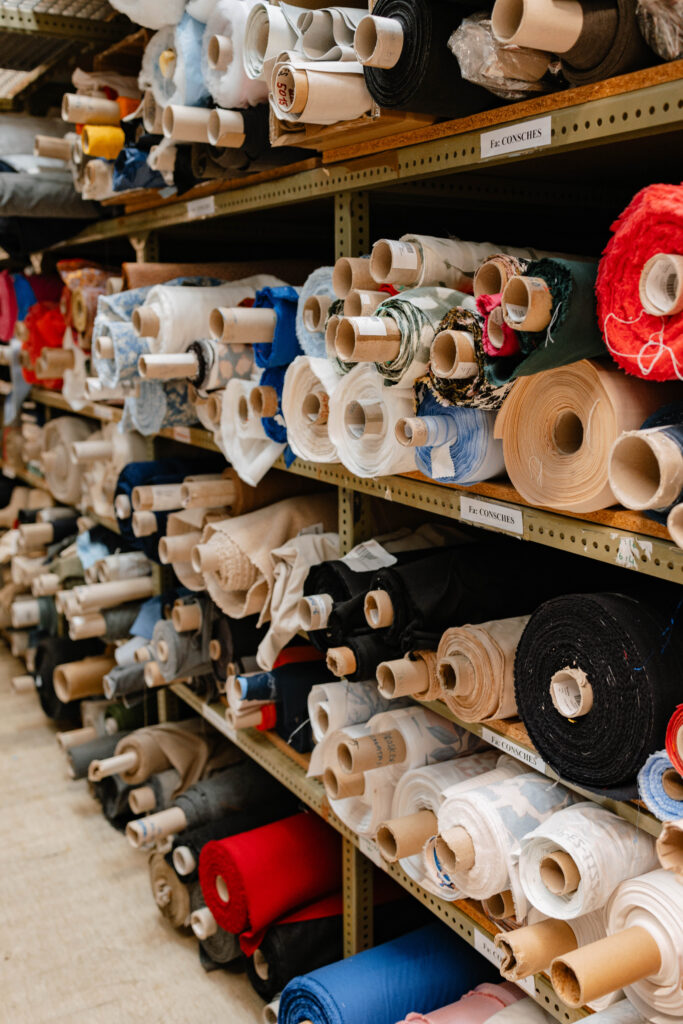
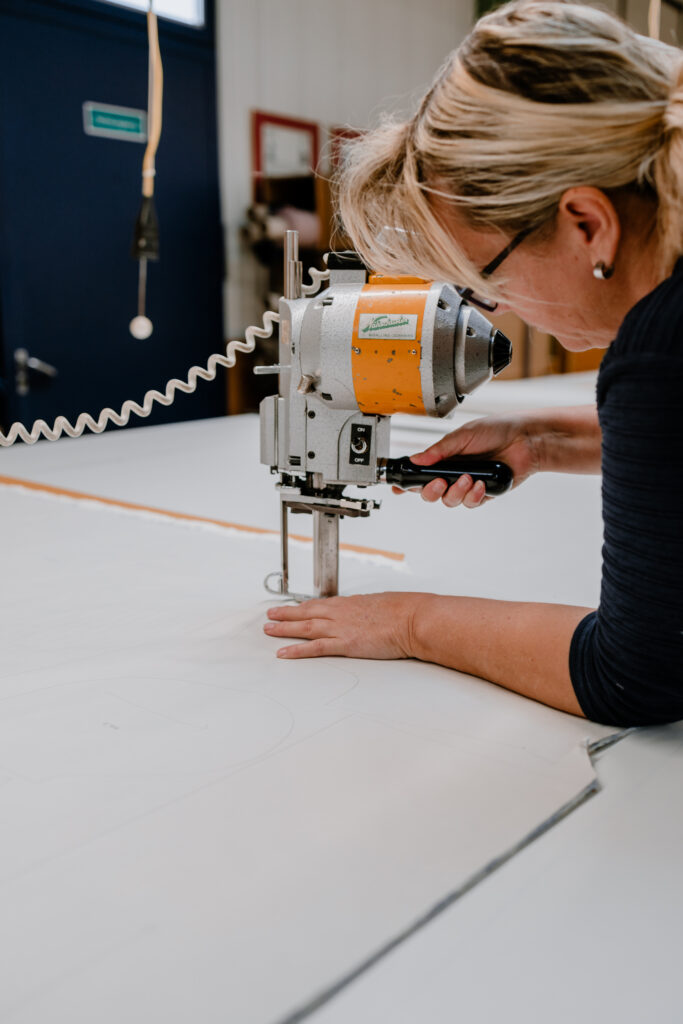
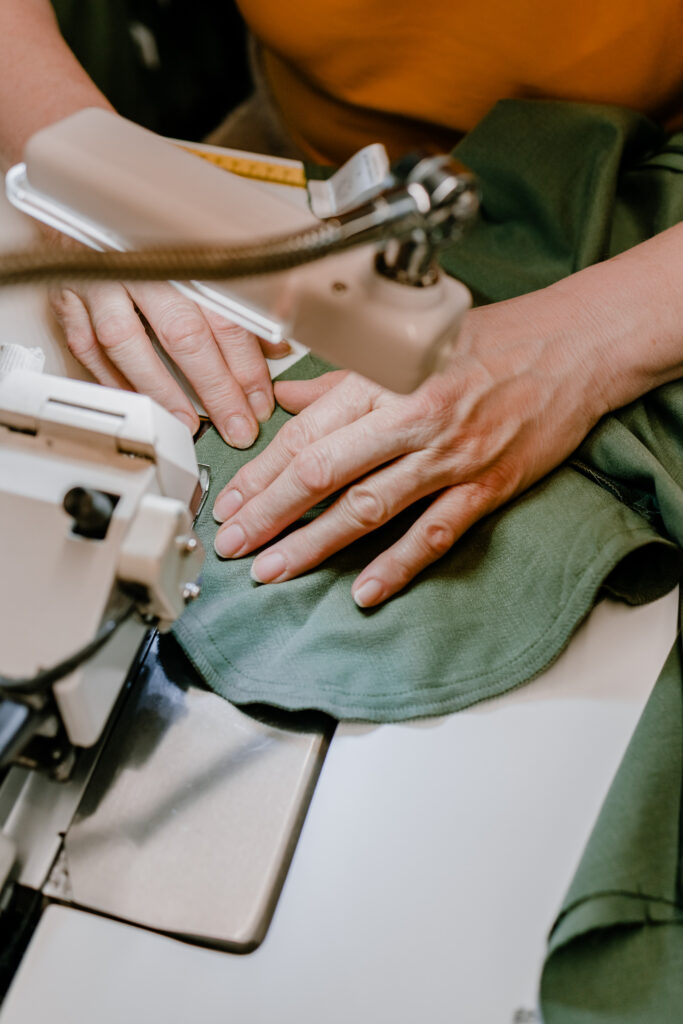
For Consches commitment to ethical and sustainable production goes far beyond certification. Her proximity to her partnering factories is neither accidental nor symbolic: it is purposeful, practical, and ongoing. Being close to the making, means being present and creating space for continuous growth. Once production begins, her role is not that of a controller overseeing outcomes from a distance, but of a partner embedded in the process. Adjustments are made together, problems are solved collaboratively, and decisions are grounded in what is realistically and humanely possible.This allows Cornelia, and the Consches team, to listen and learn from the realities of production as they unfold: understanding constraints not as obstacles but as conditions to work within.
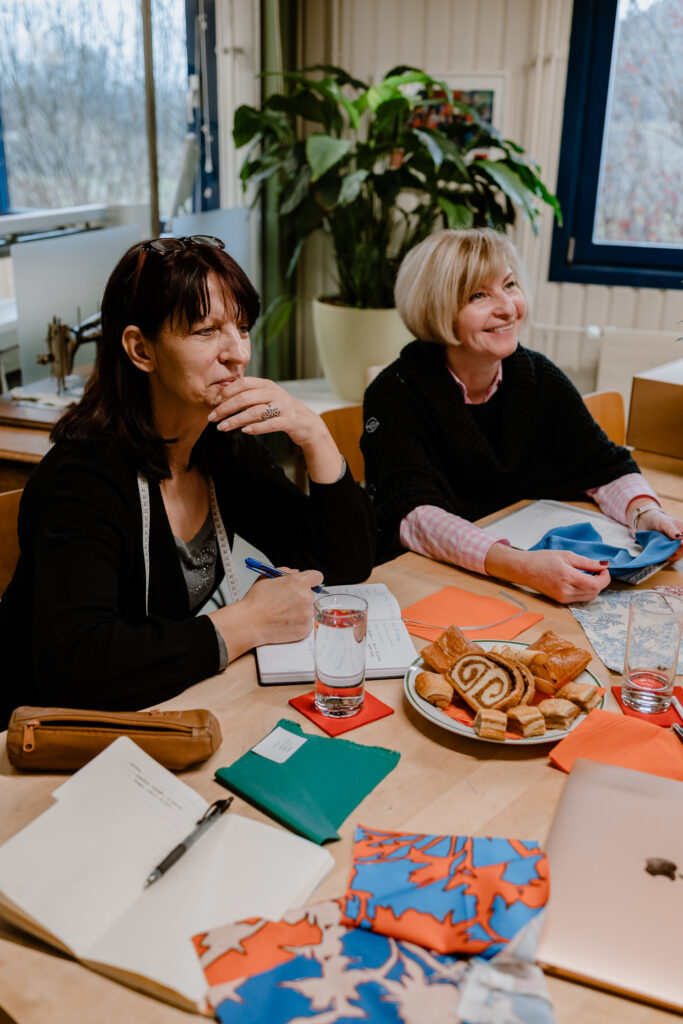
A typical factory visit at JMB Feldbach does not revolve around instruction, but exchange: sitting together, discussing challenges openly, acknowledging challenges without the fear of blame. In this context, trust is not a given. It is built over time through honesty, patience, and the shared understanding that mistakes are part of the process. Perfection is not the goal; continuity is.
These long-term relationships have reshaped not only how Consches produces, but how it designs. Close collaboration with artisans has deepened Cornelia’s understanding of material, construction, and timing. Design decisions become more thoughtful and grounded, informed by material intelligence and experience. Craftsmanship, feasibility and pricing are not afterthoughts, but become integral to the creative process. True quality, Cornelia notes, does not come from speed, but from allowing processes to unfold at their own rhythm.
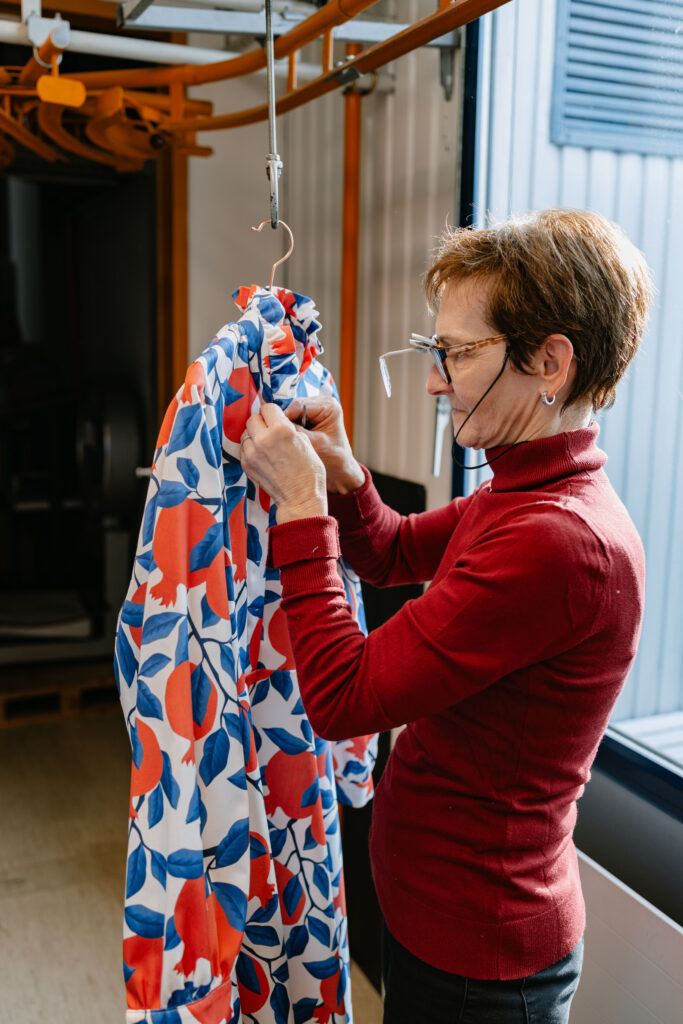
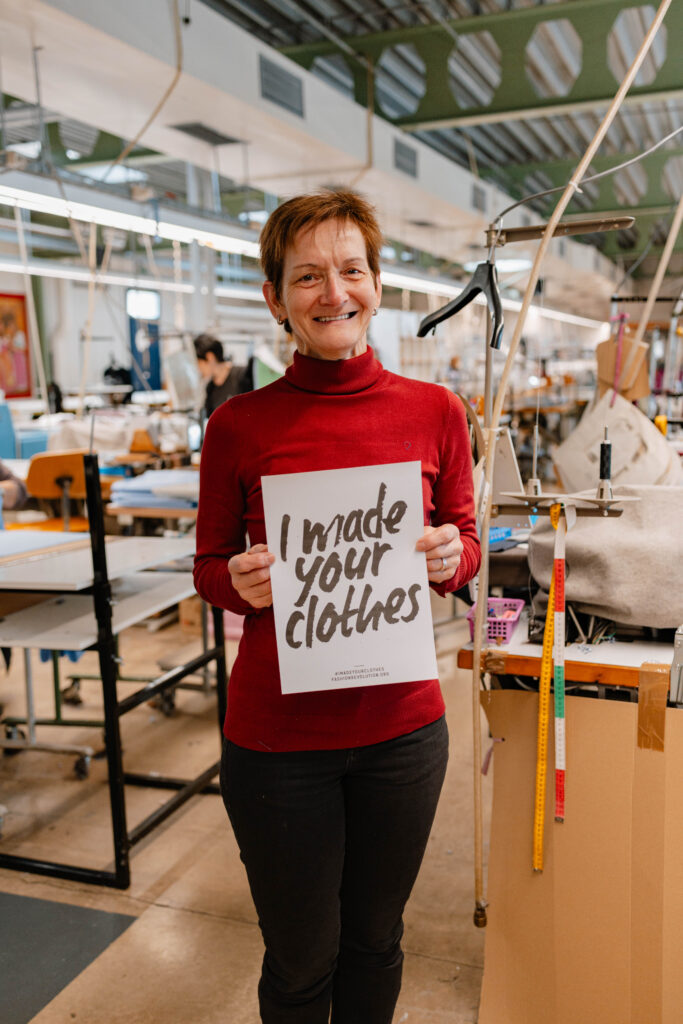
Beyond the quality of the final product, much of this labor remains invisible once a garment leaves the factory. What Cornelia wishes wearers could sense more intuitively is the time, care, and human effort embedded in each piece: the fact that it is made by hand, by people, in a place. Images from the factory make this visible: women holding simple sheets of paper stating “I made your clothes”, serves as a quiet but direct reminder of authorship that resists anonymity, and there is the labour of hard working, caring artisans behind the clothes we wear daily.
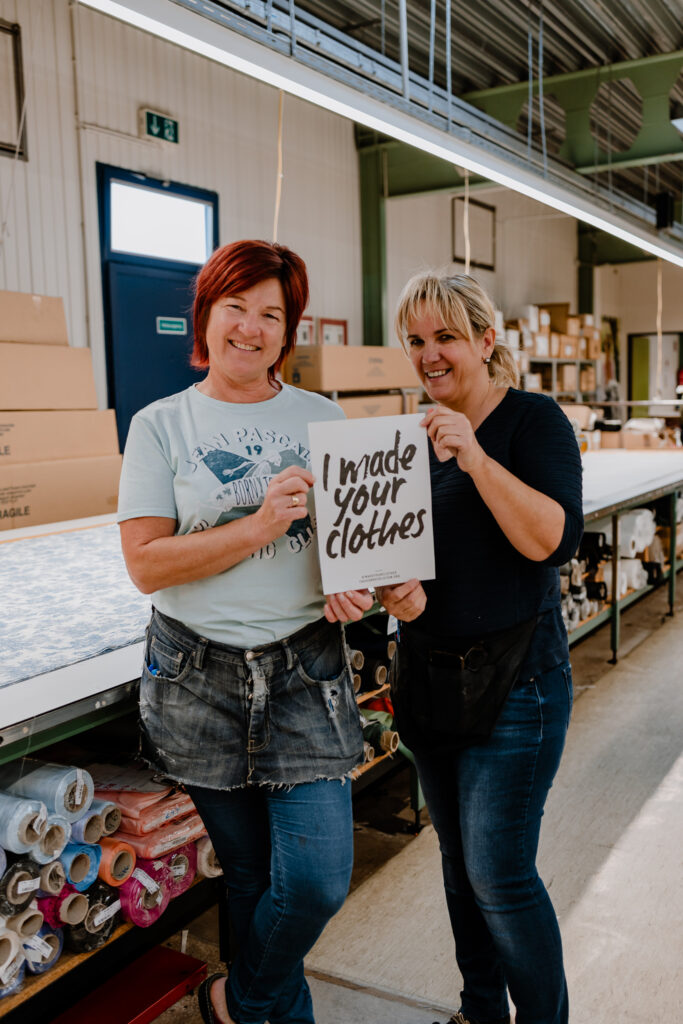
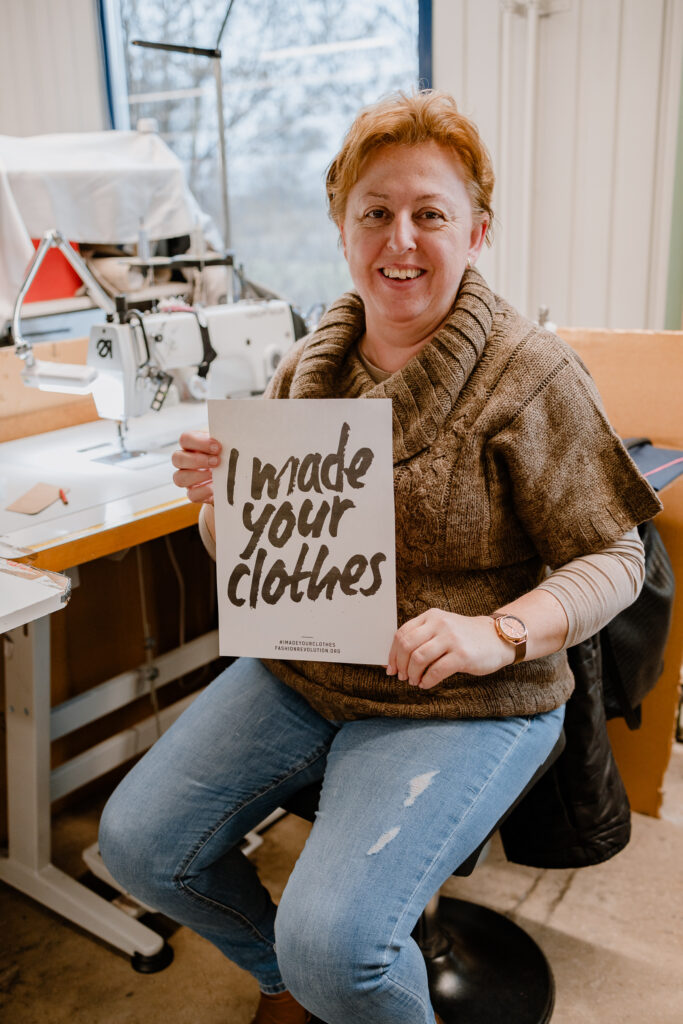
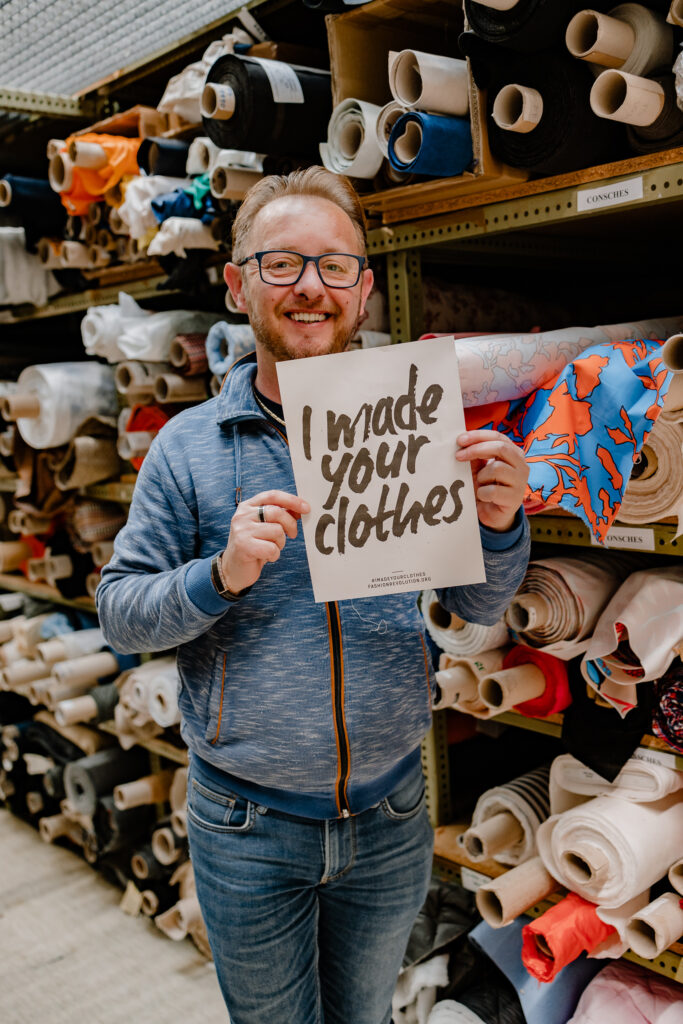
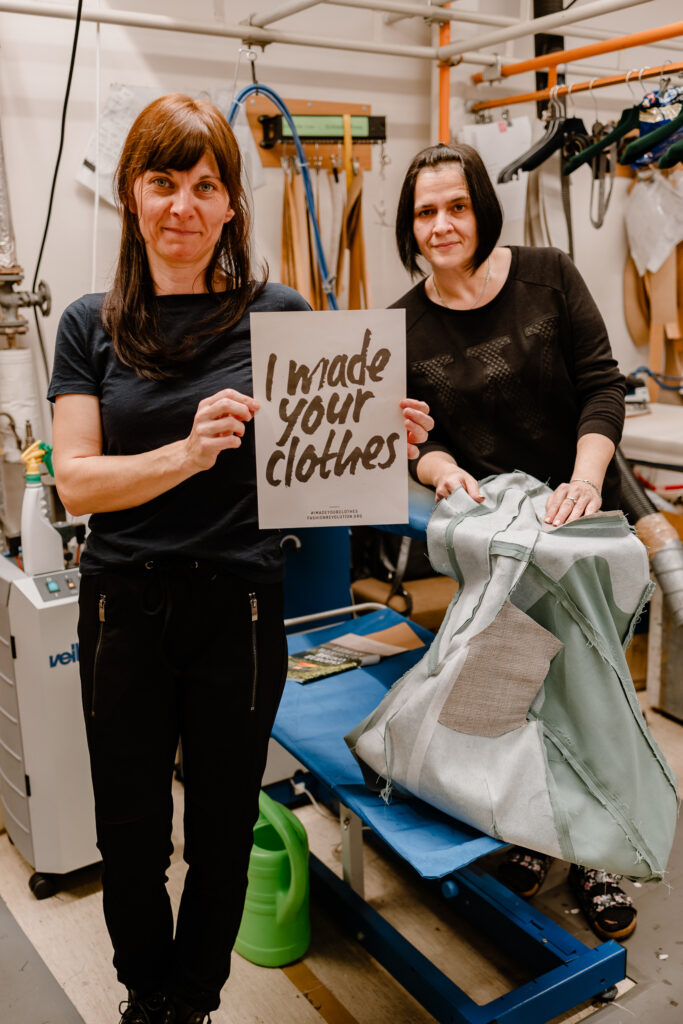
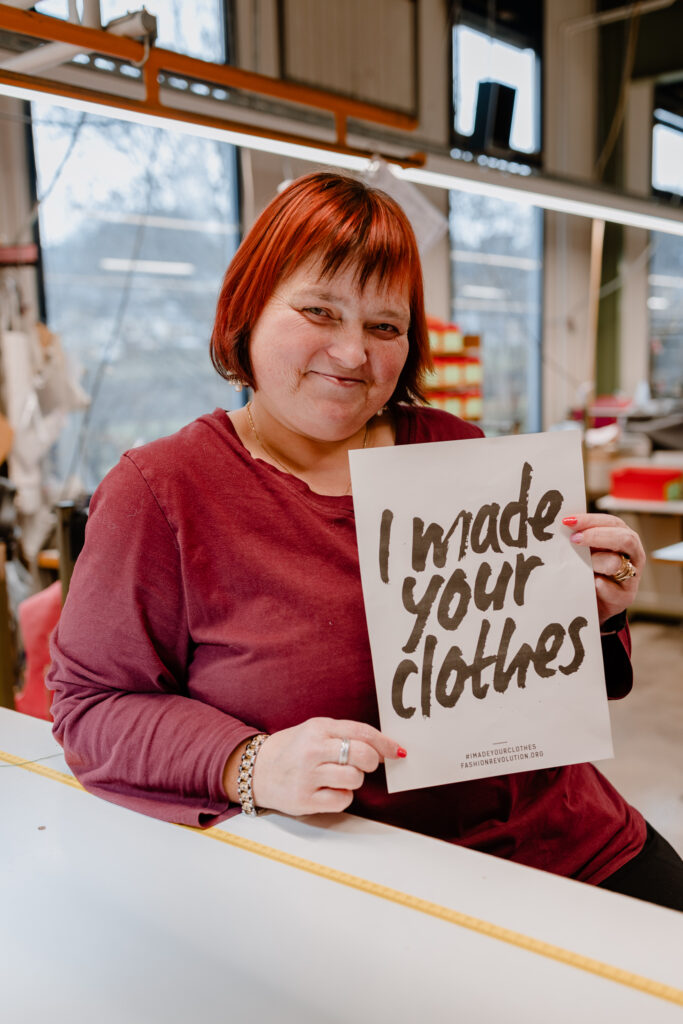
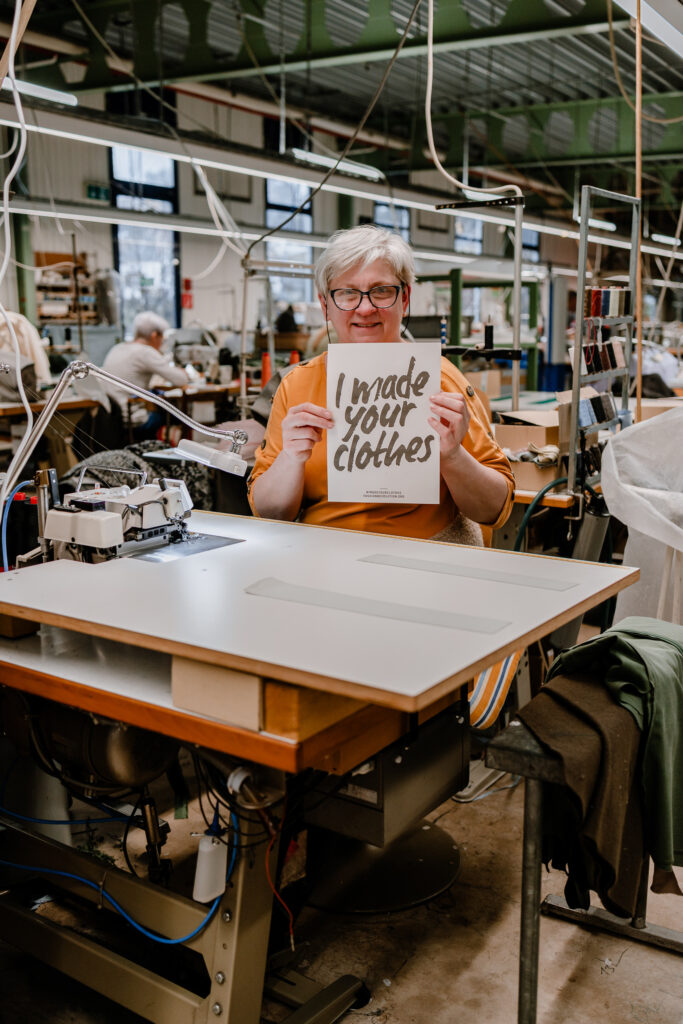
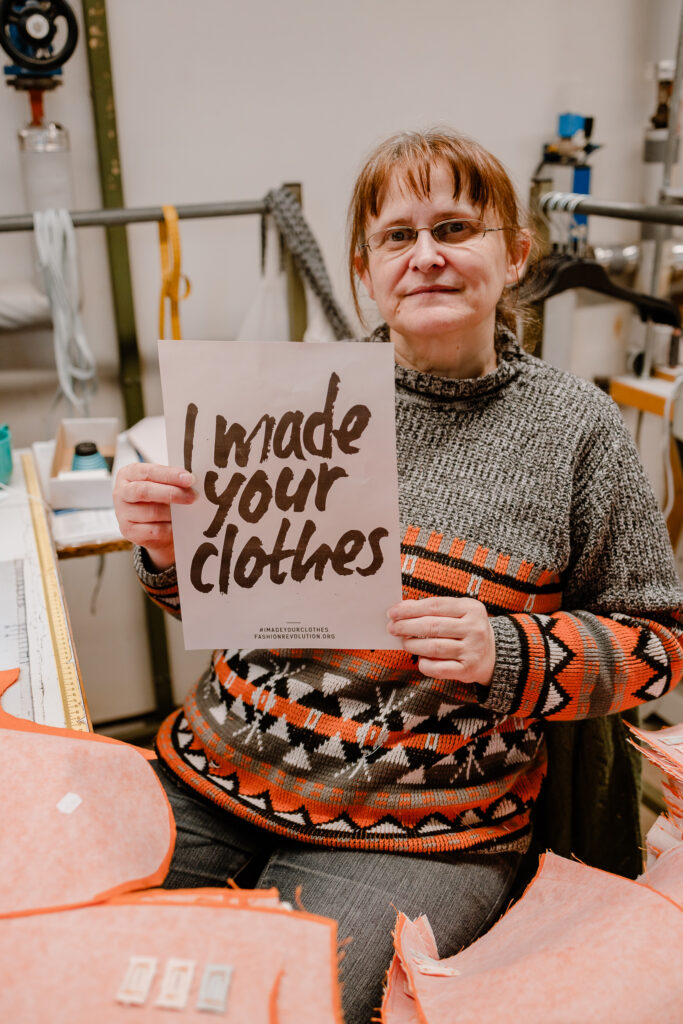
This attention to process does not end when production is complete. It extends into how Consches presents itself: through its Vienna store, where garments are contextualized rather than staged, and through packaging choices that echo the same values of care and material awareness. Empowering and ethical craftsmanship, for Consches, is not confined to the factory floor. It is a continuous attitude, shaping how the brand communicates, wraps, stores, and sells.
In an industry where ethical production is often reduced to certifications or labels, Consches offers a different perspective. Responsibility shows up daily: in fair pay, honest timelines, local production, and sustained respect across the value chain. It is not a static achievement, but a practice maintained through relationships.
Looking ahead, remaining “close to the making” for Consches means growing slowly, safeguarding partnerships, and resisting distance as the business evolves: returning, again and again, to the places and people where the work begins.