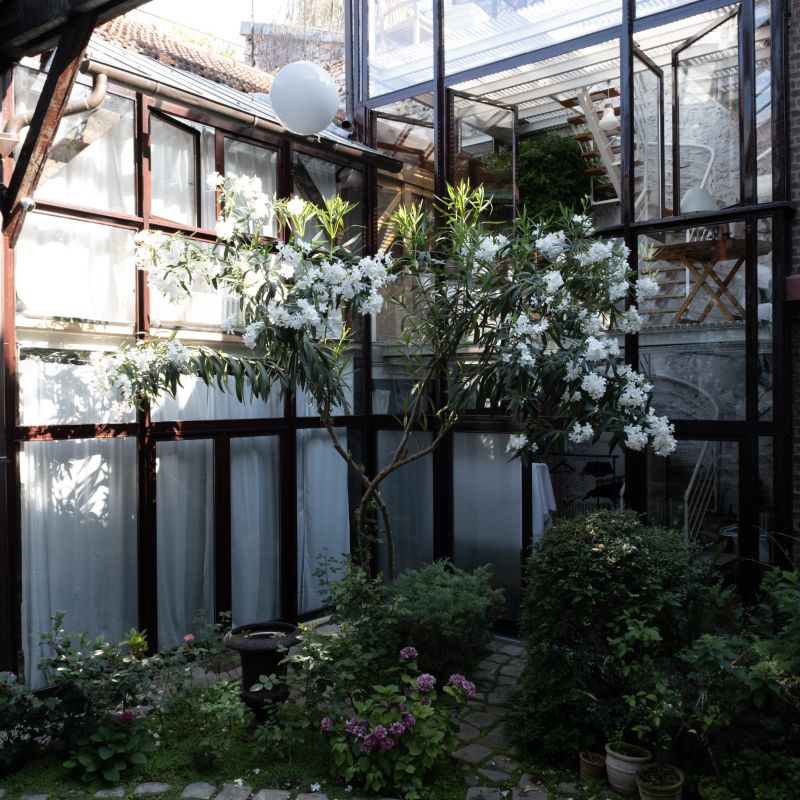
A recap from Paris Fashion Week SS27
What does the fashion industry actually know about what it makes? Not the story on the hangtag, not the sustainability report, but the real material knowledge, embedded in the hands that cut, the farms that grow, the traditions that predate the industry itself by centuries. That question was alive in every corner of MMW Collective's fourth showroom edition, held 25-29th June in Paris. And this season, more people came looking for the answer.
Paris in late June 2026 tested everyone's resolve. The grip of an unprecedented European heatwave tested even the most committed. Schedules shifted, plans changed. But what remained constant was the quality of what was inside the room. Those who came, came with intention.
All photography by Lise Roulet
A Space That Keeps Drawing People In
It is evident that something is shifting, not just in the market, but in who is paying attention. More brands reached out this season wanting to be part of the space. Buyers, researchers, professors, and policy professionals moved through the showroom alongside the press and curators who have always found their way here. They came to discover the questions being asked in this room that are starting to matter increasingly industry wide.
What may once have seemed like an idealistic ideology is now a necessity. The brands united here share a commitment to quality, design, and craftsmanship, and increasingly, to the question of what things are actually made from. MMW Collective exists at that intersection, a space where that material is not a footnote to the collection, but the starting point for it.
Material as the Message
The brands in the room this season told that story from every angle.
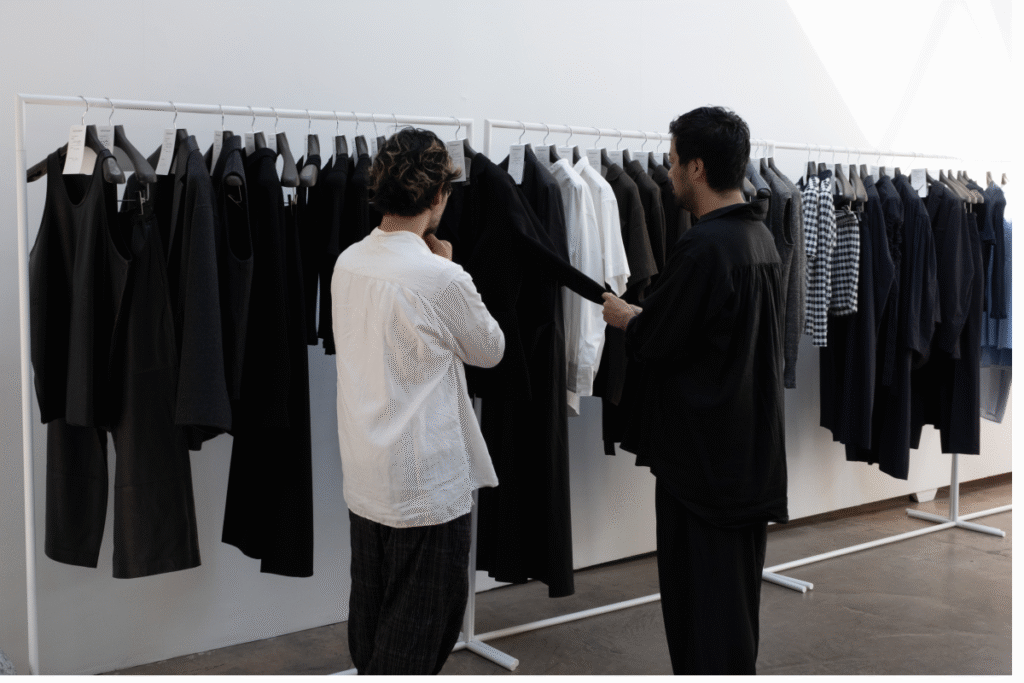
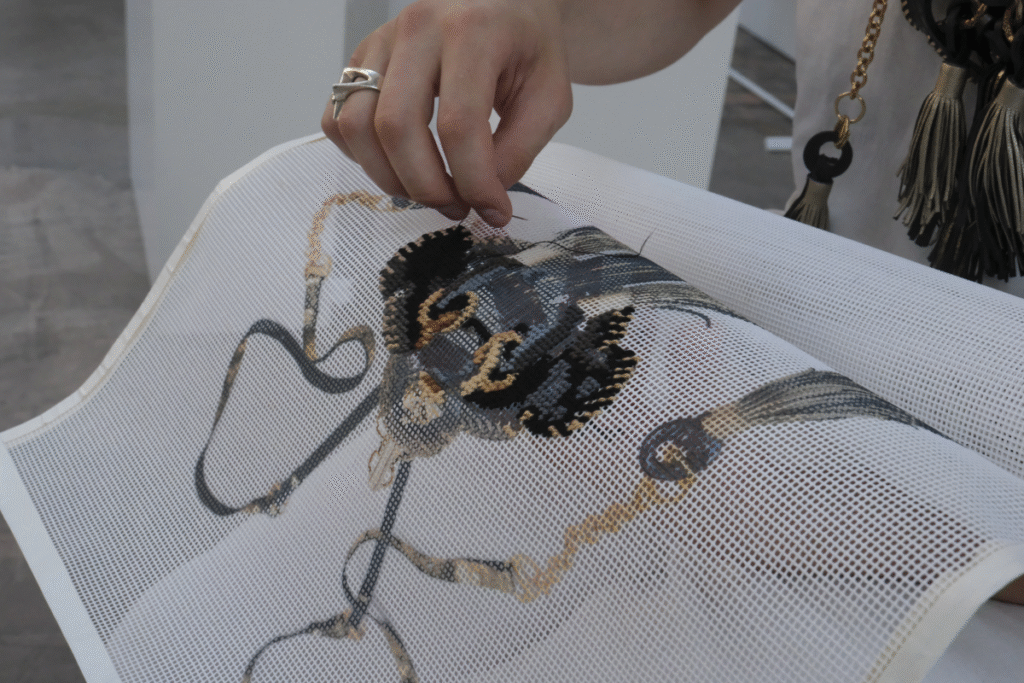
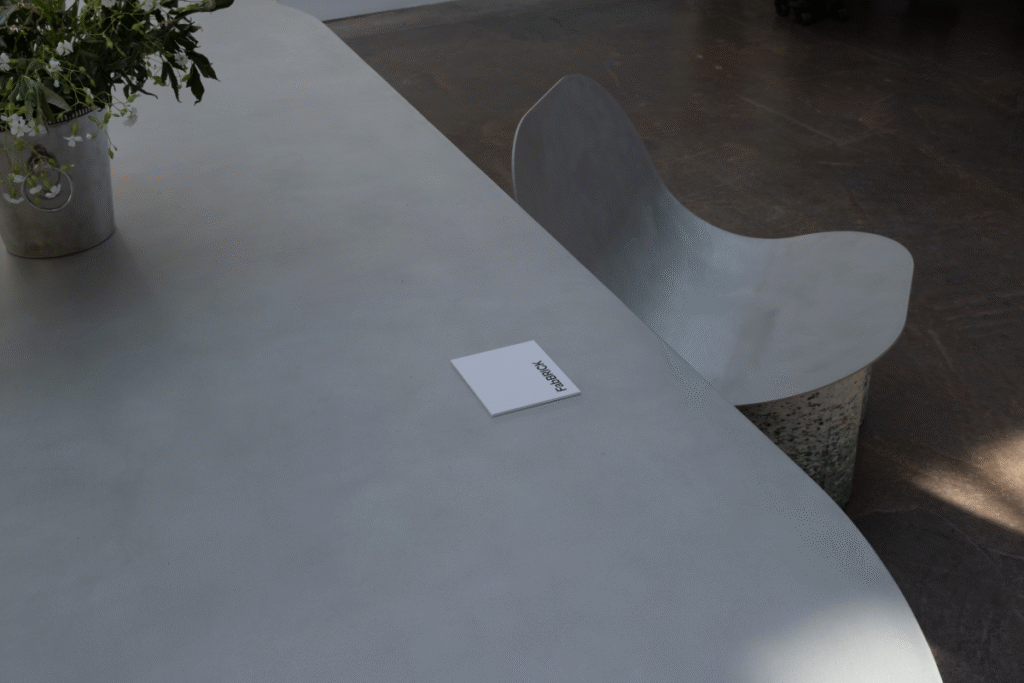
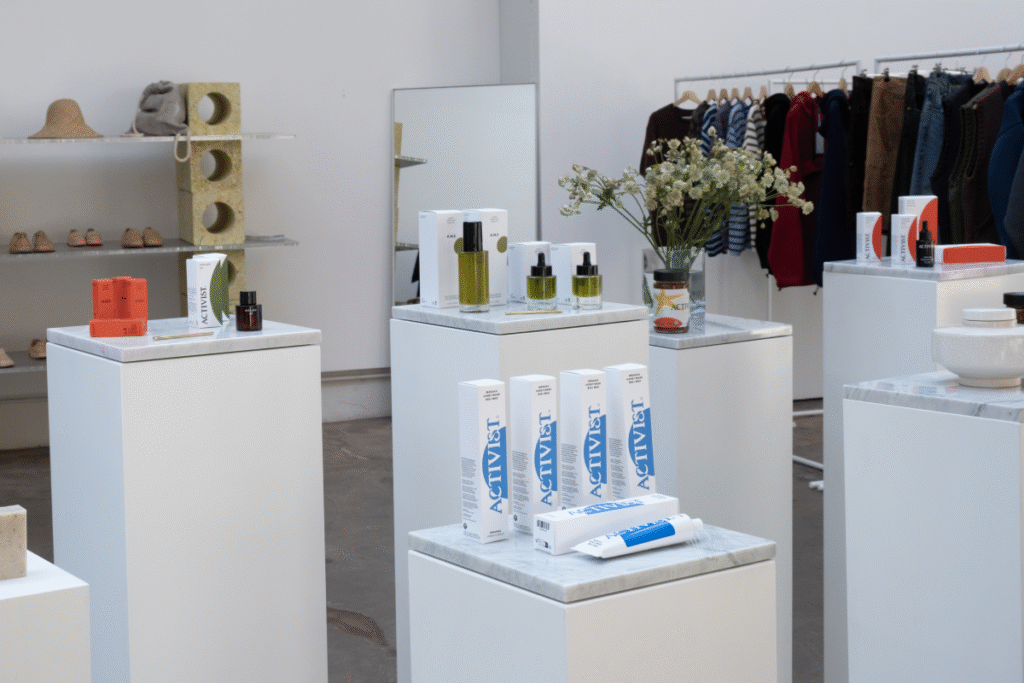
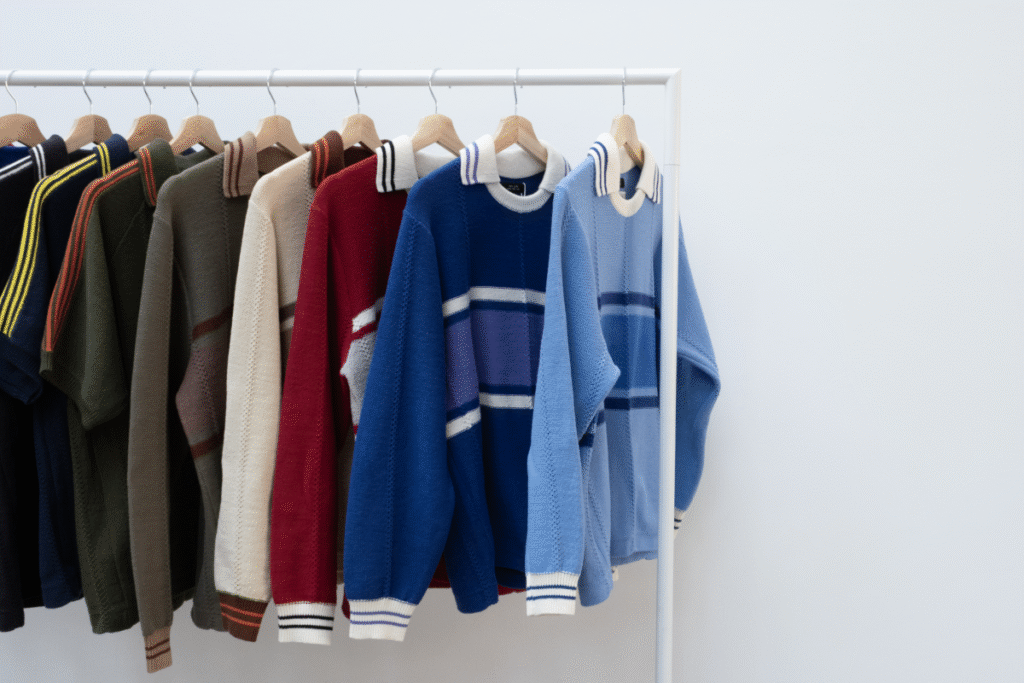
Maggie Cardelus handcrafts just 50 neck pieces out of deadstock leather per collections, objects that shape presences in any room. Postelegant explores materiality with curiosity and range, among them washi, a fiber older than the fashion industry itself, worn close to the skin. From there, the conversation turns outward. Devlyn van Loon builds from fabric outward. As Europe endures its hottest summer on record, her focus on lightweight, high-performing materials has never felt more urgent. Taka Studio, made entirely in Peru and Los Angeles from organic materials, carries the intelligence of land and process. Rice Nine Ten draws on vintage construction and knitting: craft as inheritance, passed forward. Activist Manuka, a small family business working with Manuka honey from a single landscape in New Zealand is potency tied to place, and a process that heals the earth as much as the people it touches. Jakhu Studio works in silver, shaped by Andean silversmithing tradition: the communities behind the craft are the craft. And holding it all together, FabBRICK built the space itself from discarded textiles, with material innovation at its core.
The Bigger Conversation
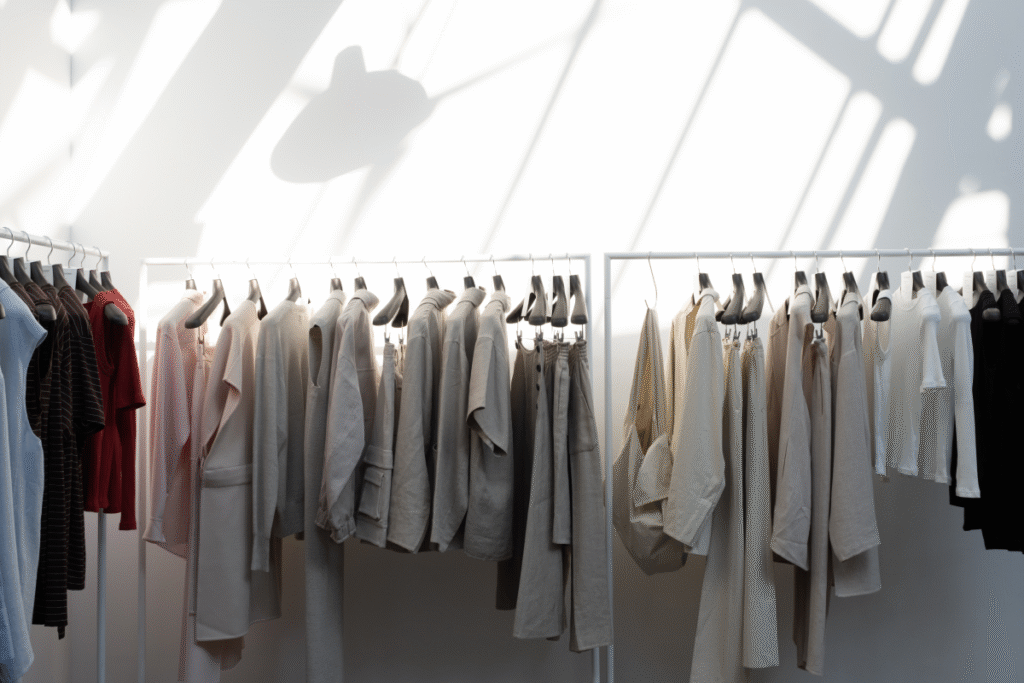
Most showrooms at Paris Fashion Week ask you to look. MMW asks you to think. Each brand placed in deliberate dialogue with the next, materials and stories layered into something that feels less like a showroom and more like a conversation worth having. For buyers navigating a landscape where conscious consumption is now becoming an expectation rather than a niche, the room itself becomes the brief.
This season drew in academics, textile researchers, and industry professionals working at the intersection of fashion and policy. People are actively looking at how systems change, how standards shift, how the next decade of fashion is built differently. What they found here was not a concept or a proposal, but brands already operating inside the answer.
The technical textiles market is projected to outpace fashion and apparel through 2036. Heuritech's 2026 fabric innovation report identifies thermoregulation, scalable circularity, and fiber-level performance as the defining shifts. The brands in this room have been working this way for years. What is changing is that the wider industry is catching up, and spaces like this are where that knowledge transfers. From researcher to buyer, buyer to retailer, and retailers to the person choosing what to wear on the hottest summer on record.
At MMW Collective, conscious creativity is not an ideology. It is a direction.
Until January 2027
Due to the heatwave, we made the decision to postpone our panel discussion to protect the comfort and safety of our speakers and guests. This is a conversation that needs to be heard, not endured; a new date will be announced shortly.
MMW Collective in its name suggests, it takes a village to implement change, but we believe the potential for tangible impact is real and close at hand. The industry supports more conscious activities, better consumption, and a more humane approach overall. The heatwave in Paris last week was a stark reminder of what really matters for our industry: not more AC installations but more conscious decisions: working with brands that prioritize quality, natural fabrics, small-batch production, and craftsmanship.
There is much more to discuss. The seeds of Edition 5 are already being planted, new partnerships, new ideas, and a conversation that keeps expanding. We will see you in Paris soon.
References & Further Reading
Heuritech. "Fabric Innovations: The Future of Textiles for 2026." January 2026. heuritech.com/articles/fashion-fabric-innovations/
Bezos Earth Fund. "Reinventing Clothes: $34 Million in Grants." April 2026. bezosearthfund.org/news-and-insights/reinventing-clothes-34-million-grants
Future Market Insights. Technical Textiles Market 2026–2036. May 2026. futuremarketinsights.com/reports/technical-textiles-market
World Meteorological Organization. "Records Fall as Extreme Heat Grips Europe." June 2026. wmo.int/media/news/records-fall-extreme-heat-grips-europe
One Planet Network. "About the Network." oneplanetnetwork.org/home
FabBRICK. "Material Innovation Studio." fab-brick.com